
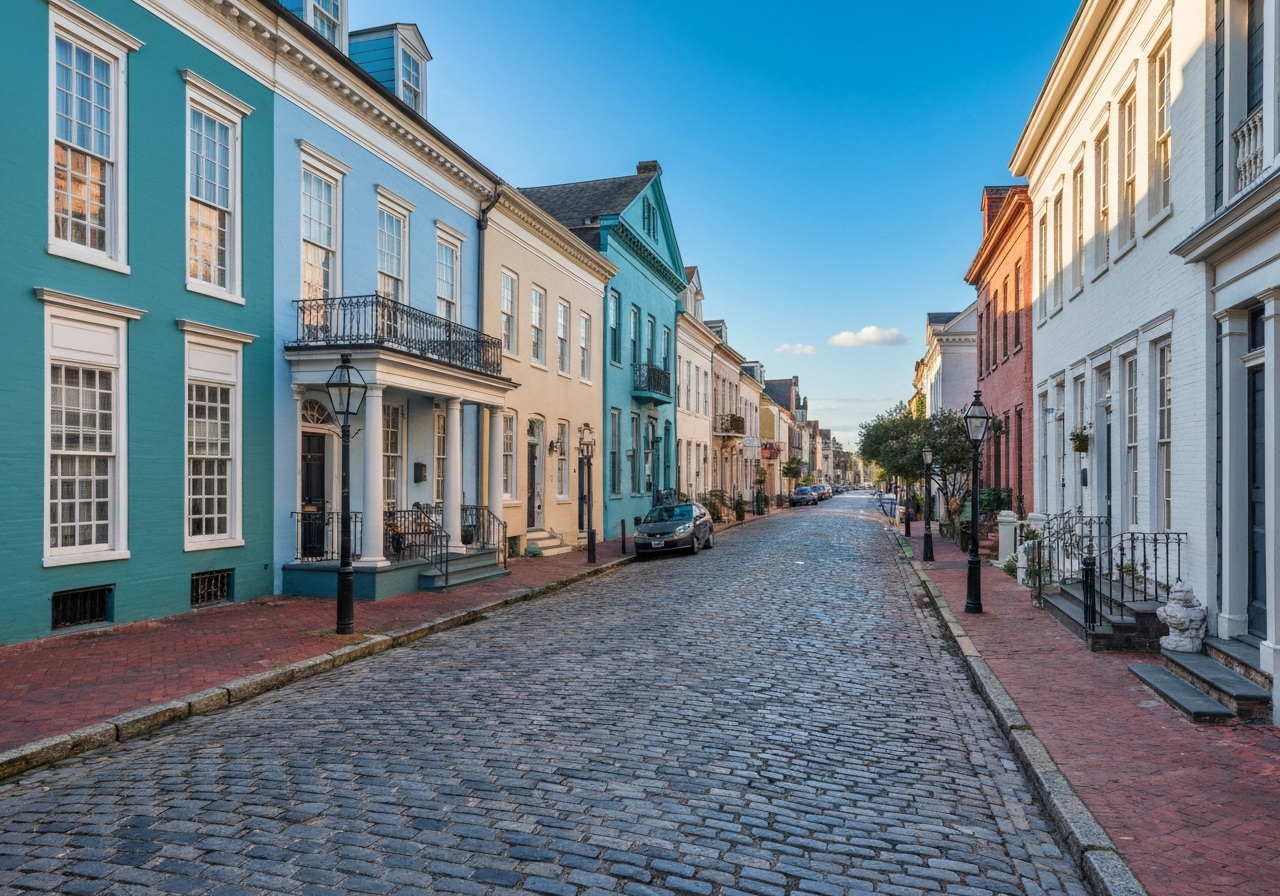
Historic Downtown Charleston Homes
A local look at what it's like to live here — and what to know before you buy.
Talk With LenDowntown Charleston — the historic heart of the city and the peninsula — is famous for its cobblestone streets, historic mansions, hidden gardens, church spires, world-class dining, and vibrant culture. Living here means being at the center of Charleston's architectural and cultural story, in the most walkable and city-like part of the area. For buyers drawn to history and character, the peninsula is unlike anywhere else in the Lowcountry.
Housing Styles in Downtown Charleston
The peninsula offers the widest architectural variety in the Charleston area. Historic Single Houses with their distinctive piazzas sit alongside Georgian, Federal, Greek Revival, Italianate, and Victorian homes, each reflecting a chapter of the city's history. Condominiums, townhomes, and newer infill construction round out the mix.
Many properties are centuries old and carry the character, craftsmanship, and maintenance needs that come with age. Understanding a home's architectural style and its place in the city's history is part of what makes buying downtown so rewarding — and so different from buying elsewhere.
Lifestyle
Downtown is urban, walkable, and cultural. Restaurants, shops, galleries, and historic sites are at your door, and the energy of the city is part of daily life. It is the most city-like of the Charleston areas, with the density and convenience that implies.
Living on the peninsula also means dealing with parking constraints, tourist-season crowds, and the rhythm of a destination neighborhood. For buyers who want to be in the middle of it all, that trade-off is part of the appeal.
Parks & Amenities
Waterfront Park, Marion Square, Hampton Park, and the Battery offer green space, harbor views, and gathering spots within the downtown core. The area is rich in tours, museums, historic sites, and seasonal festivals.
World-class dining and shopping are walkable from many downtown homes, which is one of the peninsula's defining advantages.
Commute
Because the peninsula is centrally located, most downtown destinations are walkable or a short drive away. Bridge traffic to and from the suburbs builds at peak hours and during the tourist season.
For buyers who work or spend most of their time downtown, living on the peninsula can reduce driving significantly, while suburban buyers should factor in bridge traffic at peak times.
What Buyers Should Know
Much of the peninsula lies within City of Charleston historic districts overseen by the Board of Architectural Review (BAR), which reviews exterior changes visible from a public street — including windows, roofs, porches, paint, additions, and demolition. Interior work generally isn't reviewed unless it affects the exterior. If you plan to renovate, confirm the property's district and requirements before buying. The low-lying peninsula also has varying flood exposure and drainage — review FEMA flood maps and get insurance quotes during due diligence. Parking, association rules, and maintenance considerations specific to older homes all matter downtown.
Frequently Asked Questions
What types of homes are in downtown Charleston?
Downtown offers the area's widest architectural variety — historic Single Houses with piazzas, Georgian, Federal, Greek Revival, Italianate, and Victorian homes, plus condominiums, townhomes, and newer infill. Many properties are centuries old and carry character along with the maintenance considerations that come with age.
Do I need approval to renovate a downtown Charleston home?
If the home is within a City of Charleston historic district, exterior changes visible from a public street are reviewed by the Board of Architectural Review (BAR), including windows, roofs, porches, paint, additions, and demolition. Interior work generally isn't reviewed unless it changes the exterior.
Is downtown Charleston walkable?
Yes. The peninsula is the most walkable part of the Charleston area, with restaurants, shops, galleries, historic sites, and parks within easy reach. Living downtown means a city-like, urban lifestyle with cultural amenities close by, though parking and density come with that setting.
Does downtown Charleston have flood risk?
Parts of the low-lying peninsula fall within flood zones, and drainage varies by block. Review FEMA flood maps, ask about elevation, and obtain insurance quotes during the due-diligence period. Historic-district and association rules may also apply, so confirm requirements for the specific property.
Explore Other Charleston Areas
Compare communities across the Lowcountry to find the right fit for your goals.
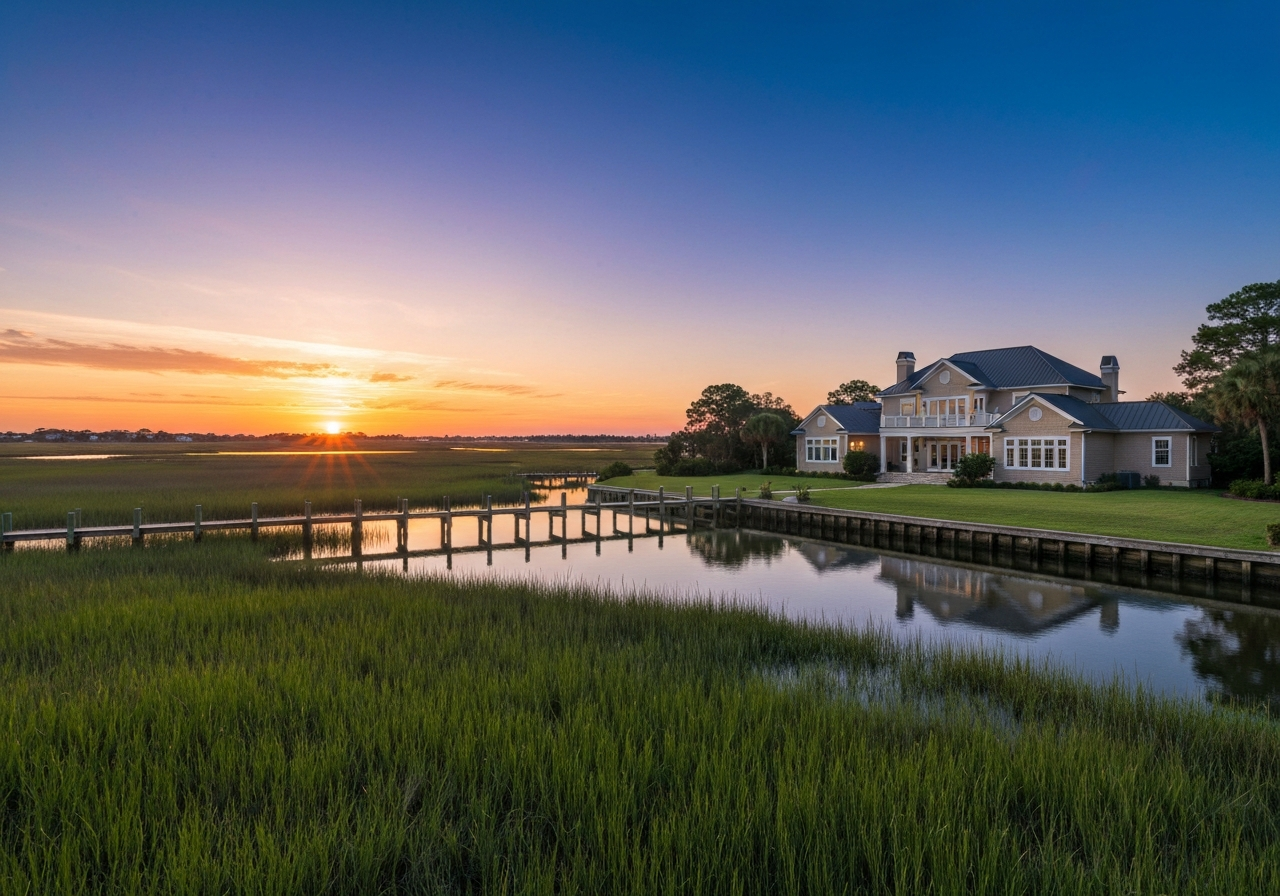
West Ashley
One of the closest suburbs to downtown, with mature oaks, waterfront, and a broad mix of homes.
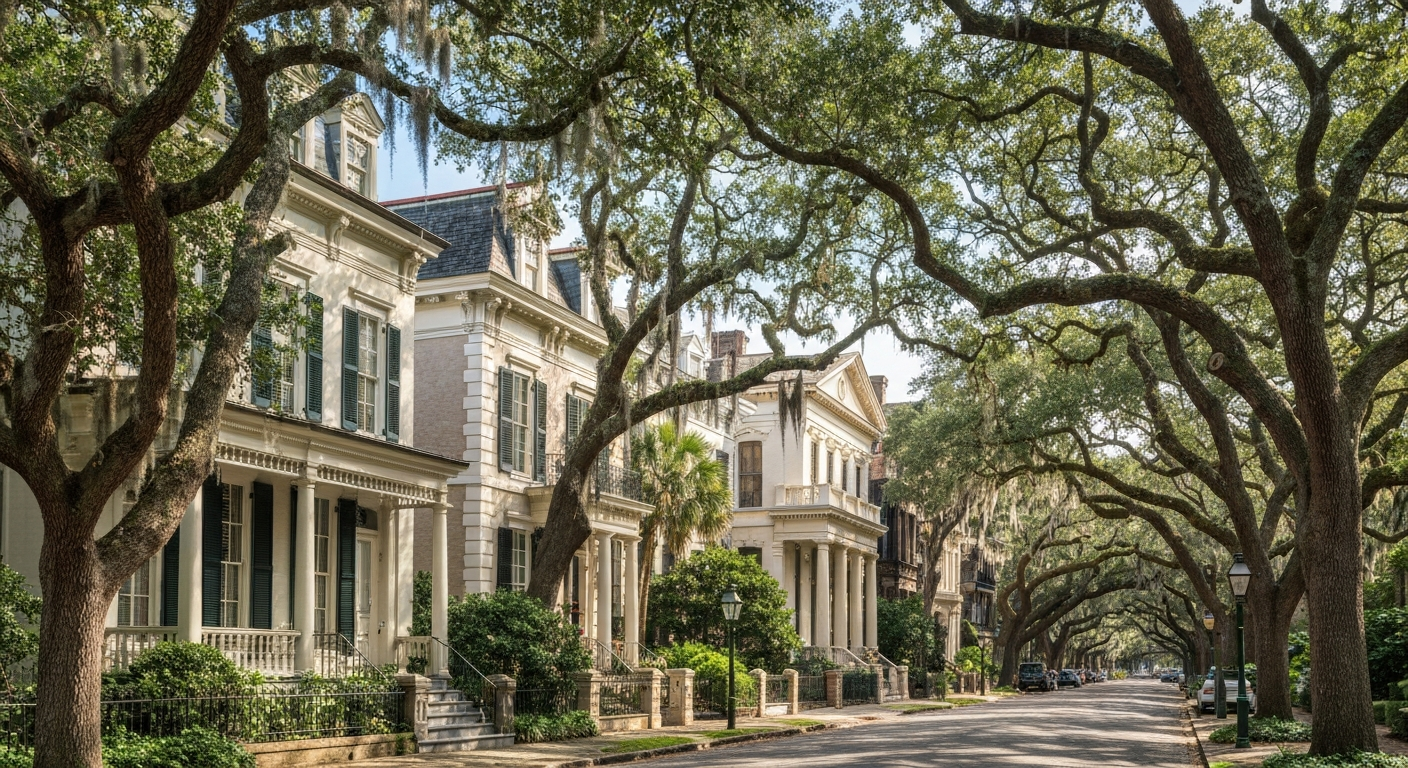
James Island
A laid-back island between downtown and Folly Beach, with marsh views and easy beach access.
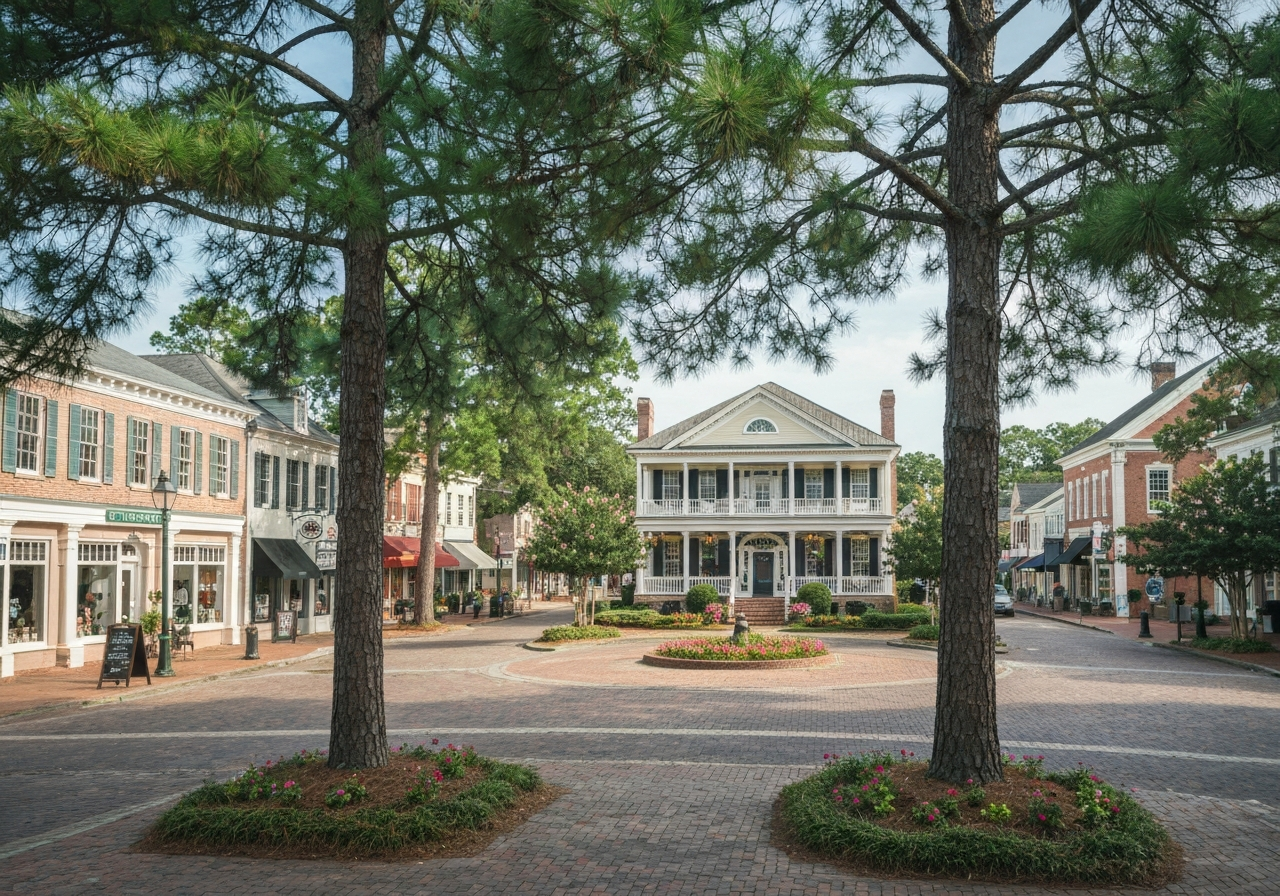
Summerville
The "Flower Town in the Pines" — a small-town feel, larger lots, and easy access to Charleston.
Hanahan
A quiet, value-oriented suburb north of Charleston near major area employers.