
What to Know Before Buying a Historic Charleston Home
By Len Banks, Realtor with Carolina One Real Estate, Historic Property Specialist
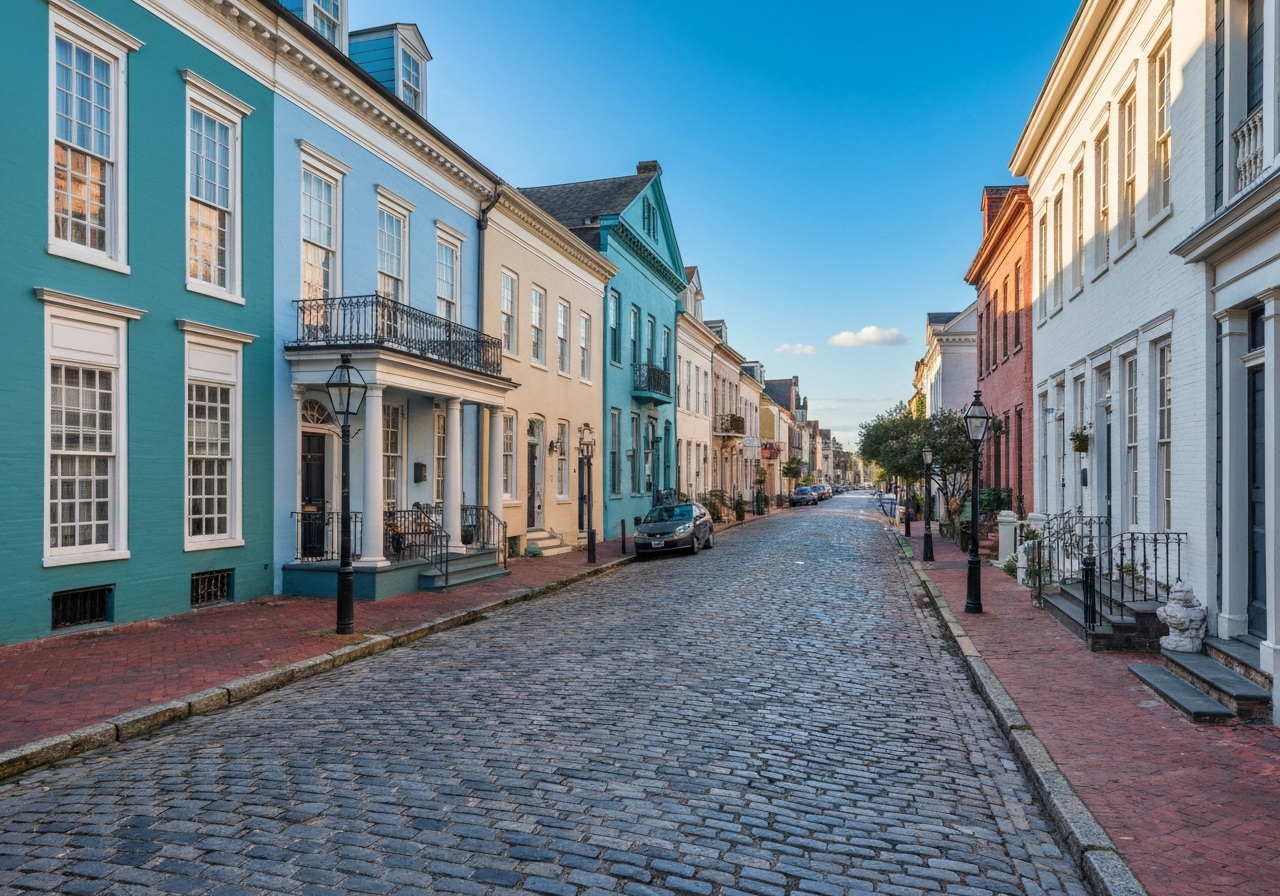
Owning a historic home in Charleston is about more than owning a house. It is about becoming a steward of a piece of the city's story. The piazzas, the old brick, the gardens tucked behind iron gates, the craftsmanship you simply do not find in newer construction, these are what draw buyers to Charleston's historic properties. But buying one is different from buying a newer home, and it pays to understand what you are taking on before you make an offer.
Quick Answer
Buying a historic Charleston home means understanding preservation rules, ordering the right inspections, planning for insurance, and working with someone who knows these properties. Exterior changes in historic districts are often reviewed, older homes need specialized evaluations, and a Historic Property Specialist helps you navigate every step with confidence.
Understand the Preservation Rules Before You Buy
Charleston was a pioneer in historic preservation, and that legacy is protected by the Board of Architectural Review, often called the BAR. Within the city's historic districts, the BAR reviews exterior work visible from a public right-of-way, including new construction, alterations, renovations, and demolition. In practice, that can mean projects like replacing windows or doors, changing roofing materials, restoring a porch or piazza, painting or changing exterior colors, building an addition, or demolishing part of a building.
If you are planning to renovate, find out what is realistic before you commit. Ask whether earlier exterior changes were approved, because unapproved work can become your responsibility as the new owner. The best first step is to check the specific property with the City of Charleston's Planning and Preservation staff before you make an offer.
Order the Right Inspections for an Older Home
A general home inspection is a starting point, but historic homes often deserve a closer look. Depending on the property, consider specialized evaluations for moisture, wood-destroying organisms, the roof, HVAC systems, sewer or septic service, and foundation or structural concerns. Charleston's humid climate makes moisture management especially important, so review the crawl space, ventilation, drainage, and any signs of wood damage.
If an inspector identifies movement or structural concerns, consult a qualified engineer before your contractual deadlines. The goal is not to eliminate every possible issue, but to understand the property well enough to make an informed decision.
Plan for Insurance Early
Older construction, flood exposure, and roof age can all affect insurance coverage and cost. Do not assume the current owner's premium will transfer or that your cost will be similar. Request property-specific quotes early, confirm coverage and exclusions, and ask whether separate flood or wind policies may be appropriate. An elevation certificate and wind-mitigation documentation can make a real difference in what you pay.
Budget for Quality Materials and Skilled Craftsmanship
Approved repairs and replacements in a historic district often call for materials that match the home's historic character, which can cost more than standard options. Architects and contractors who regularly work with the BAR can save you time and frustration, and they understand how to honor the home's original craftsmanship while making it livable for today.
Work With a Historic Property Specialist
I'm proud to have earned the Historic Property Specialist certification through American Real Estate University, a designation that reflects specialized expertise in the marketing, preservation, valuation, and sale of historic homes. Historic real estate is unlike any other segment of the market, requiring a deep understanding of architectural significance, preservation considerations, local regulations, and the unique value these properties offer.
Whether representing a centuries-old Charleston residence, a beautifully restored cottage, or a home located within a historic district, I provide knowledgeable guidance to help buyers and sellers navigate every step of the process with confidence. From highlighting a property's rich history and character to developing strategic plans, my goal is to help clients preserve, protect, and maximize the value of these remarkable homes.
The Bottom Line
Buying a historic Charleston home is a rewarding decision, but it comes with responsibilities that newer homes do not carry. Understand the preservation rules for the specific property, order the right inspections, plan for insurance, and budget for quality materials. With the right guidance, you can enjoy your historic home with fewer surprises and a deeper appreciation for the story it tells.
Keep Learning
- Read: The Rich Architectural Styles of Charleston's Historic Homes
- Read: Buying in Charleston's Historic District? What the BAR Means
- Explore Historic Homes in Charleston
Dreaming of a historic home in Charleston?
I'd love to help you find one that fits your plans, and understand what owning it really involves. Let's talk.
Let's TalkFrequently Asked Questions
Do I need approval to change the exterior of a historic Charleston home?
In many of Charleston's historic districts, exterior changes visible from a public street are reviewed by the Board of Architectural Review. This can include windows, roofs, porches, paint, additions, and demolition. Interior work generally is not reviewed unless it changes the exterior.
Are historic Charleston homes harder to insure?
Not necessarily harder, but it pays to plan ahead. Older construction, flood exposure, and roof age can all affect coverage and cost. Request insurance quotes early and ask about wind-mitigation features and any documentation an insurer may require.
What inspections should I order for a historic home?
A general home inspection is a starting point. For older homes, consider additional evaluations for moisture, wood-destroying organisms, the roof, foundation, and structural condition. An experienced inspector can flag concerns specific to historic construction.
Why work with a Historic Property Specialist?
A Historic Property Specialist understands architectural significance, preservation guidelines, valuation, and the unique marketing these homes require. That expertise helps you make informed decisions and honor the legacy of the property you are buying.
Have questions about moving to Charleston?
Len Banks is here to help you navigate the market with confidence.
Talk With Len